Jenae Torrez
Article • 7 min read
What's in People's Tap Water?
Introduction
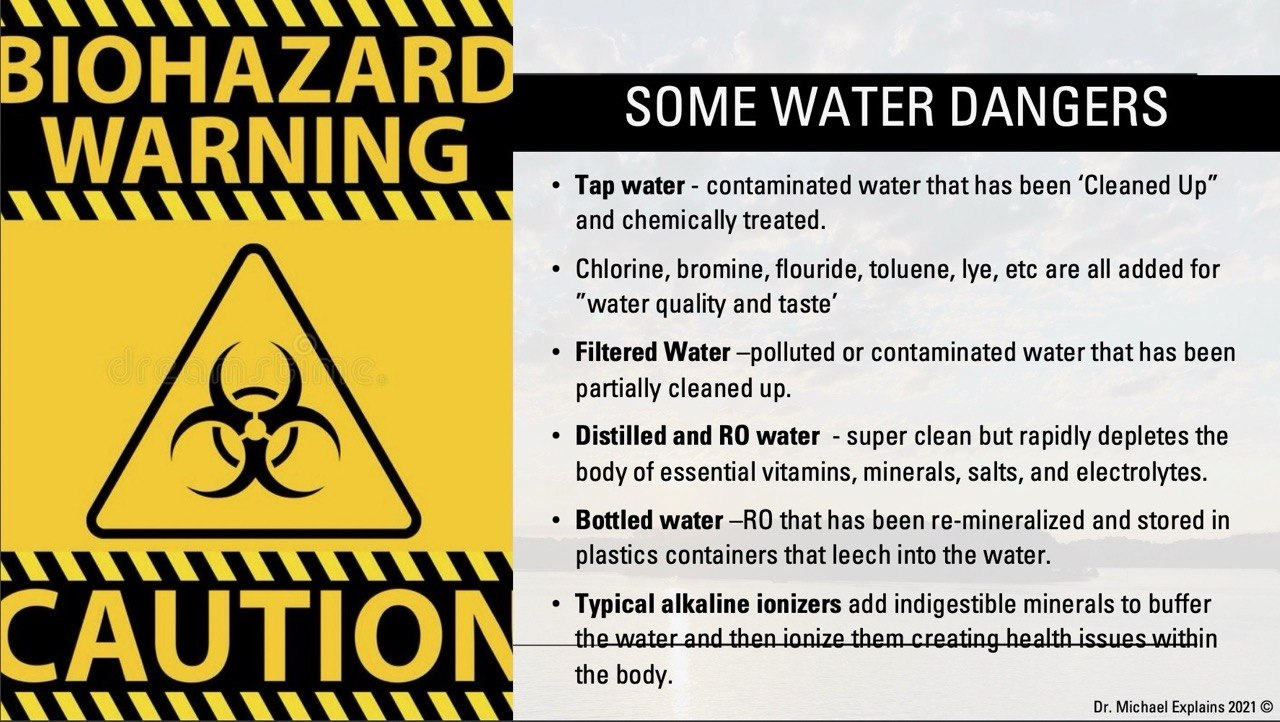
Turning on the faucet for a glass of water feels like the most ordinary thing in the world. For millions of Americans, though, that glass is closer to a cocktail of chemicals than the clean, simple drink we imagine.
According to the Environmental Working Group's Tap Water Database, the most comprehensive resource of its kind, drinking water across the U.S. contains hundreds of chemicals, heavy metals, and radioactive substances. They are often present at levels that scientists consider unsafe, even when the water meets outdated federal standards.
A Chemical Cocktail in Every Glass
EWG's latest analysis reviewed water quality data from nearly 50,000 water systems collected between 2021 and 2023. It identified 324 contaminants in drinking water across the country, with almost all community water systems showing detectable contaminants.
A groundbreaking 2019 peer-reviewed study by EWG scientists found that the toxic mixture of contaminants in U.S. drinking water could contribute to more than 100,000 cancer cases nationwide. It was the first study to assess the cumulative cancer risk of multiple pollutants in community water systems across the country.
Forever Chemicals (PFAS)
EPA data reveal that over 143 million people are exposed to PFAS, the so-called "forever chemicals," in their drinking water. These toxic chemicals accumulate in the body and do not break down in the environment.
PFAS have been linked to cancer, immune suppression, fetal harm, and reduced vaccine effectiveness. They have been detected in nearly every American's blood, including newborns. Despite a recent federal limit on six PFAS compounds, most other contaminant limits have not been updated in decades.
Heavy Metals Hiding in Plain Sight
Arsenic, a naturally occurring mineral, is found in drinking water in all 50 states. Long-term exposure can cause bladder, lung, and skin cancer as well as harm to the skin and lungs.
Hexavalent chromium, or chromium-6, is the carcinogen made infamous by the Erin Brockovich case in California. It is in the drinking water of over 250 million Americans, and there is no federal limit for it, despite its widespread presence and link to cancer and organ damage.
Disinfection Byproducts
Chlorine disinfectants used to treat water can form harmful byproducts linked to cancer and reproductive health issues. These byproducts are consistently found in large water systems serving millions of people.
Volatile organic compounds like trichloroethylene (TCE), perchloroethylene, and benzene are widespread contaminants linked to industrial pollution. Even at low concentrations, they can cause cancer, liver damage, and neurological issues.
Legal Does Not Mean Safe
The EPA sets maximum contaminant levels for certain chemicals, but many of these legal limits are outdated and inadequate for protecting public health. Some have not been updated in decades, even though new science shows that even low levels of exposure can be harmful.
A major flaw in current regulations is the approach of assessing risks from individual contaminants rather than considering the cumulative impact of multiple pollutants. This does not reflect real-world exposure, where people drink water contaminated with a mixture of harmful substances. What is legal is not necessarily safe.
Conclusion
The reality of what is in people's tap water is sobering. From forever chemicals to heavy metals to disinfection byproducts, the contaminants flowing from our faucets are more numerous and more harmful than most of us realize.
Knowing what is in your water is the first step toward protecting yourself and your family. From there, a quality filtration or ionization system can help reduce your exposure and give you cleaner, filtered water at home.
Source: EWG Tap Water Database
These statements have not been evaluated by the Food and Drug Administration. Our products are not intended to diagnose, treat, cure, or prevent any disease. Talk with your doctor about any health questions.
Back to Home